
Reliable cold starts after long idle
The first crank after months of silence is the whole job. Clean injectors and water that never separated out mean the set lights on the first attempt, with no hesitation and no false alarm on the panel.

A standby engine is judged on one morning it did not get to choose. Fuelnox conditions the fuel it has been sitting on all year, so the day it is finally asked to run, it runs.
Every other component on a standby set is inspected, exercised and signed off. The diesel in the tank is not. It is bought once, topped up now and then, and quietly gets older. A set maintained to the letter can still fail on its fuel.
Fuelnox is dosed into the tank the fuel lives in. It keeps the injection system clean, holds stored diesel stable and manages the water that collects, so fuel that has spent a year waiting is still fuel that will run.
A standby set runs a few minutes a month, and its tank is topped up long before it is ever drained, so the same diesel can stay in it for years, warming and cooling with the building around it. Water condenses on the cold steel, sinks below the fuel and waits there. Nothing looks wrong until the mains drop.
Set a dosing routineThe first crank after months of silence is the whole job. Clean injectors and water that never separated out mean the set lights on the first attempt, with no hesitation and no false alarm on the panel.
Detergents dissolve the gums, varnish and carbon that settle in injectors, pumps and lines. Added lubricity replaces what low-sulphur diesel no longer provides, easing wear in the injection pump.
In a tank that rarely moves, water has all the time it needs to settle. Fuelnox keeps it in the diesel as microscopic droplets instead. In the cylinder they flash to steam and burst, breaking the fuel around them into a finer spray, and the water leaves with the exhaust.
A more complete burn holds the load better when a set steps from idle to full output, and puts less soot through the exhaust and silencer while it does it.
One emergency call-out, or one filter changed in the dark, costs more than a year of dosing. Predictable fuel is what makes a maintenance window predictable.
Dose the tank the fuel sits in, then again at each top-up. It is one pour when the delivery arrives, and nothing else about how the site runs has to change.
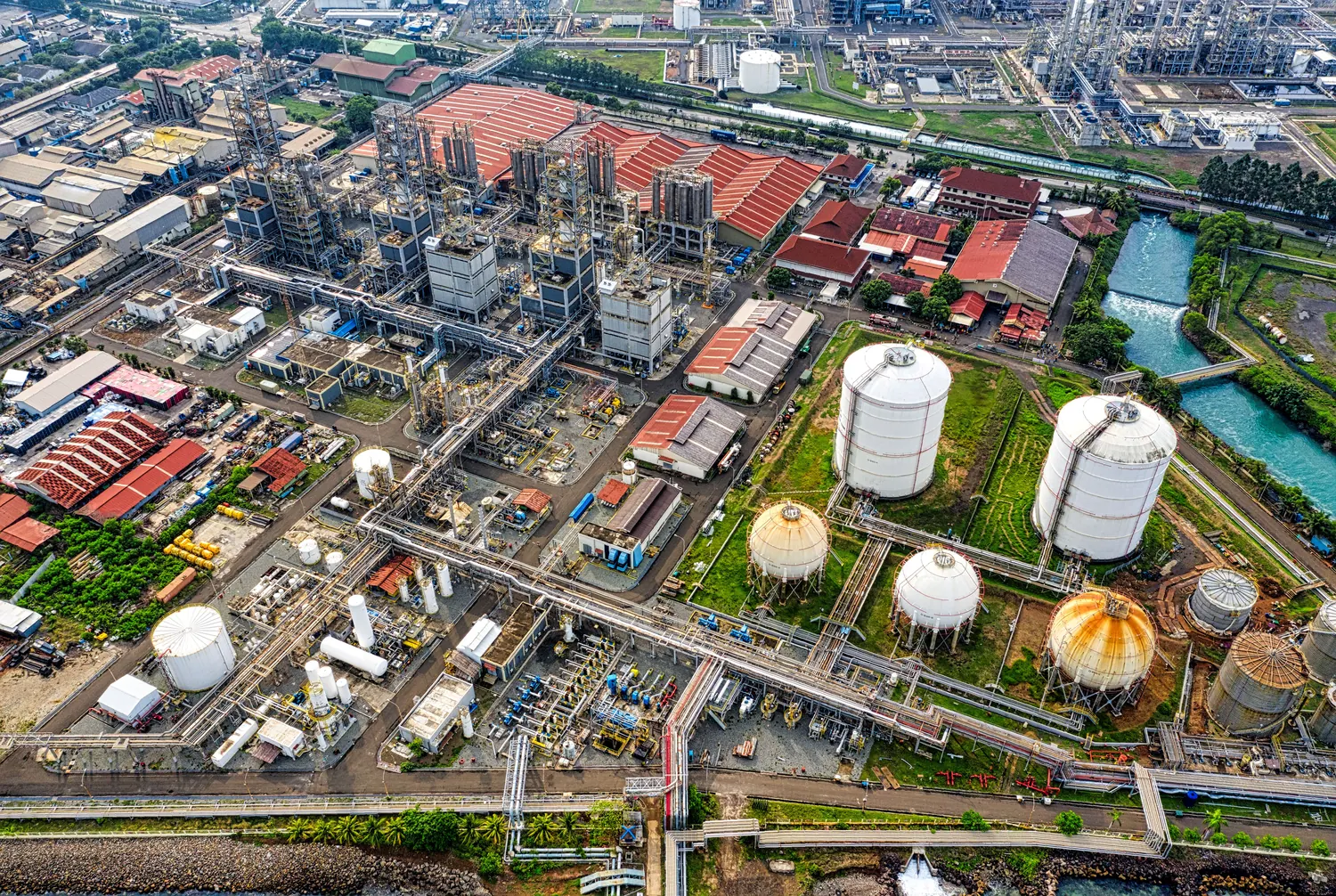
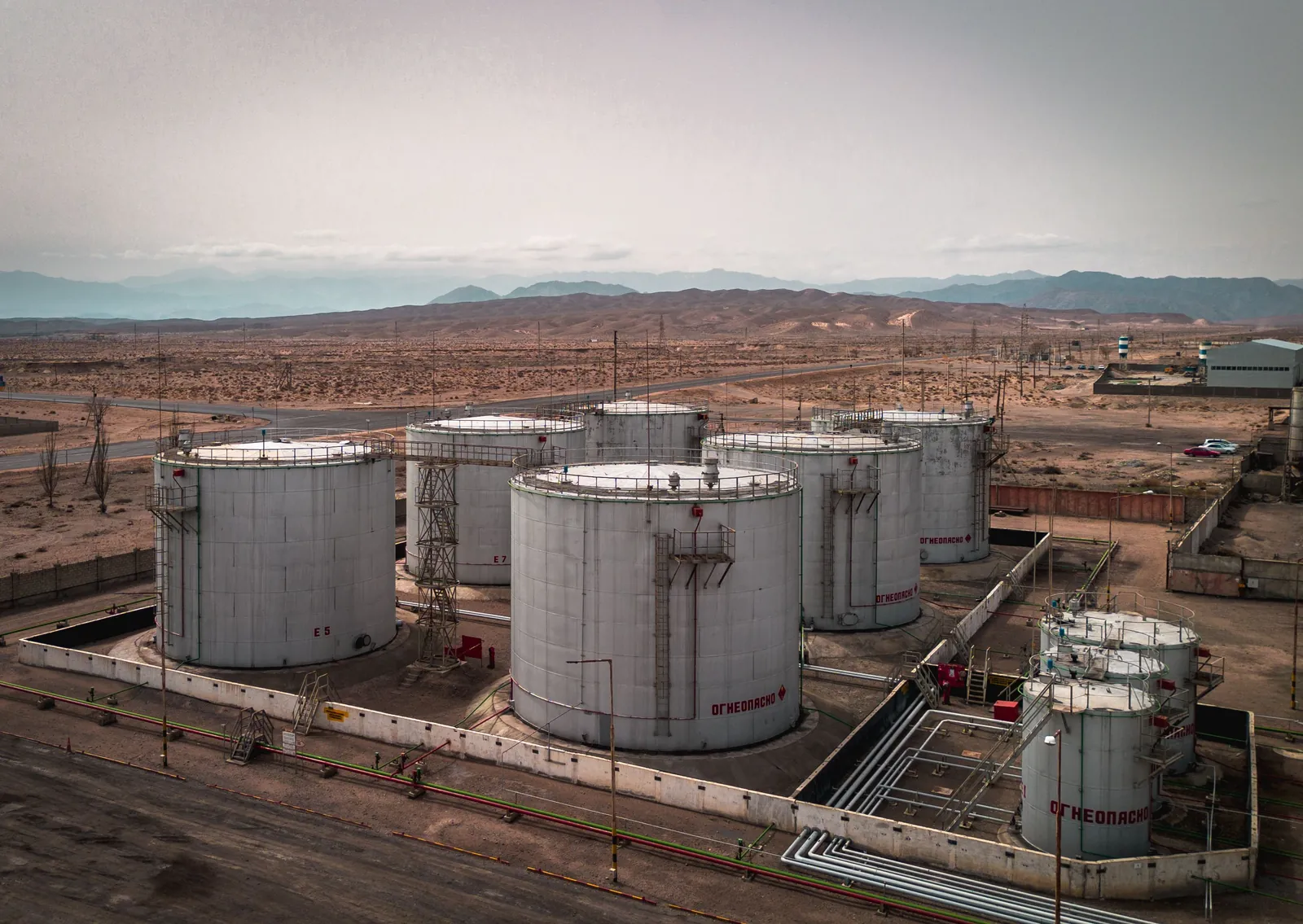
Four places on a site where fuel sits longest, and where a bad tank costs the most.
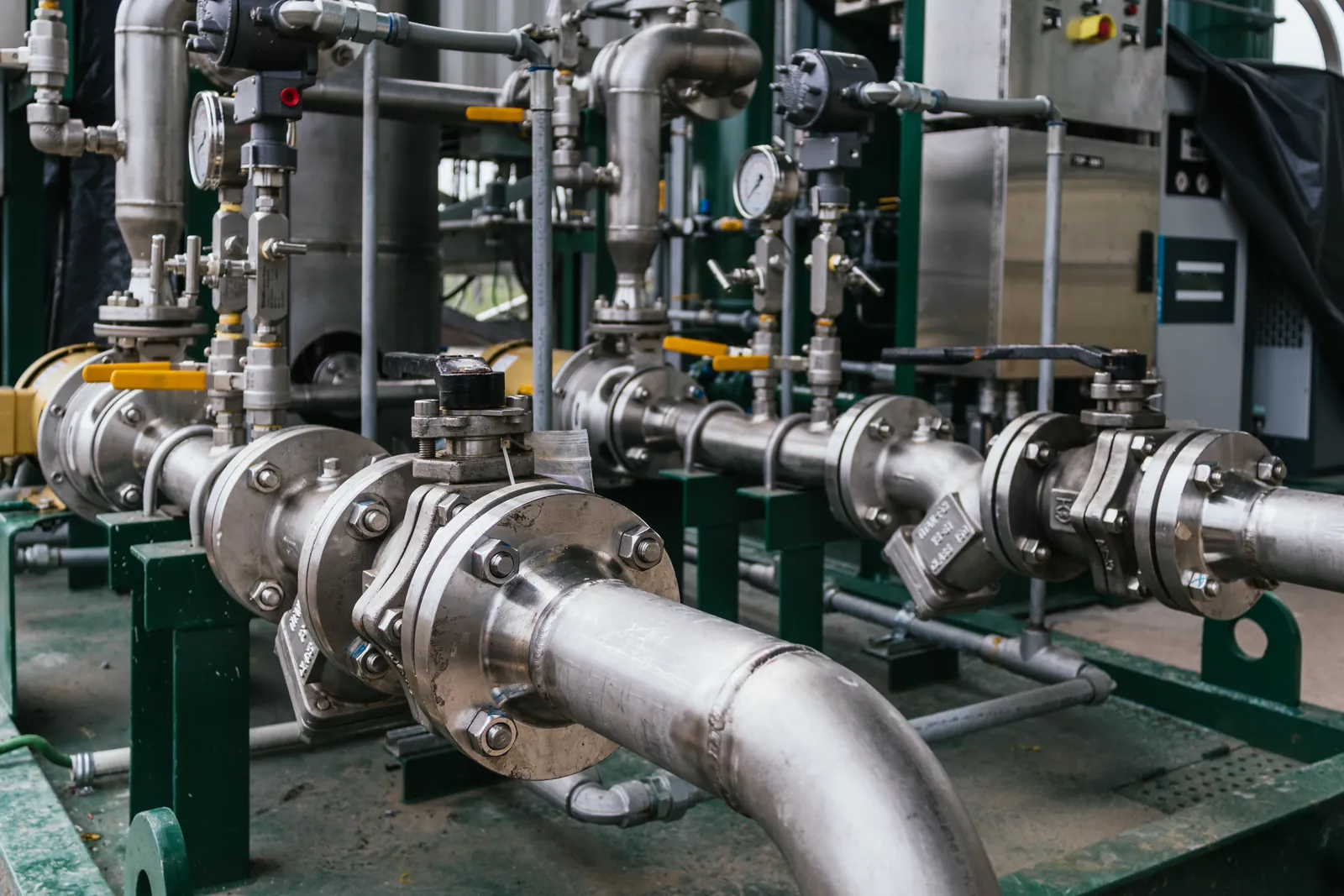
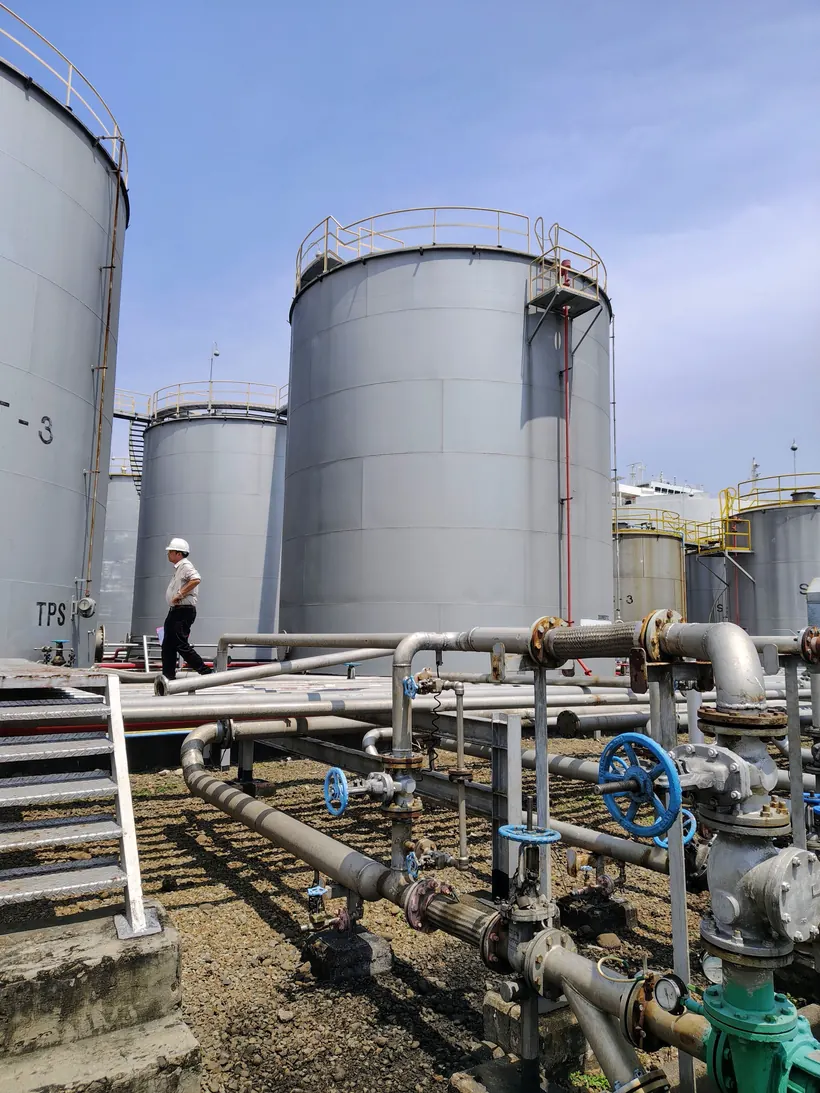
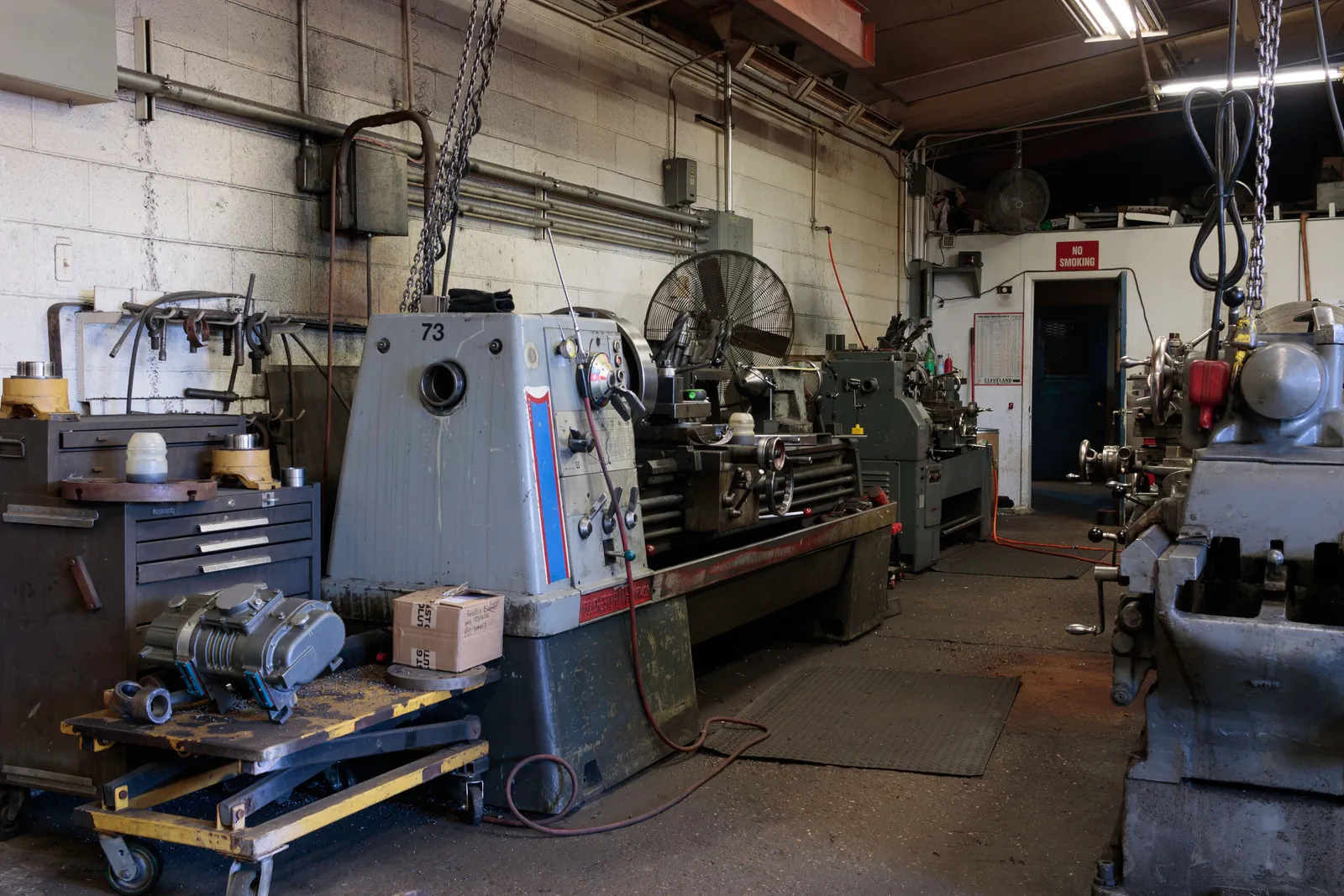
Two doses, no more: a stronger first treatment, then a light top-up at every delivery into the tank. Overdosing will not harm the engine.
About 20 ml per 40 litres of fuel. Add Fuelnox first, then refuel so it mixes evenly as the tank fills. Repeat where contamination is heavy.
About 10 ml per 40 litres at each refuel or regular interval. A single 500 ml bottle conditions up to 2,000 litres of fuel.
Results vary with engine, fuel and operating conditions. For petrol, diesel and two-stroke fuel systems. Not for aviation fuels.
Tell us your fuel storage and duty cycle, from a single generator to a depot full of machines, and we will set the dose and the pack size to match.