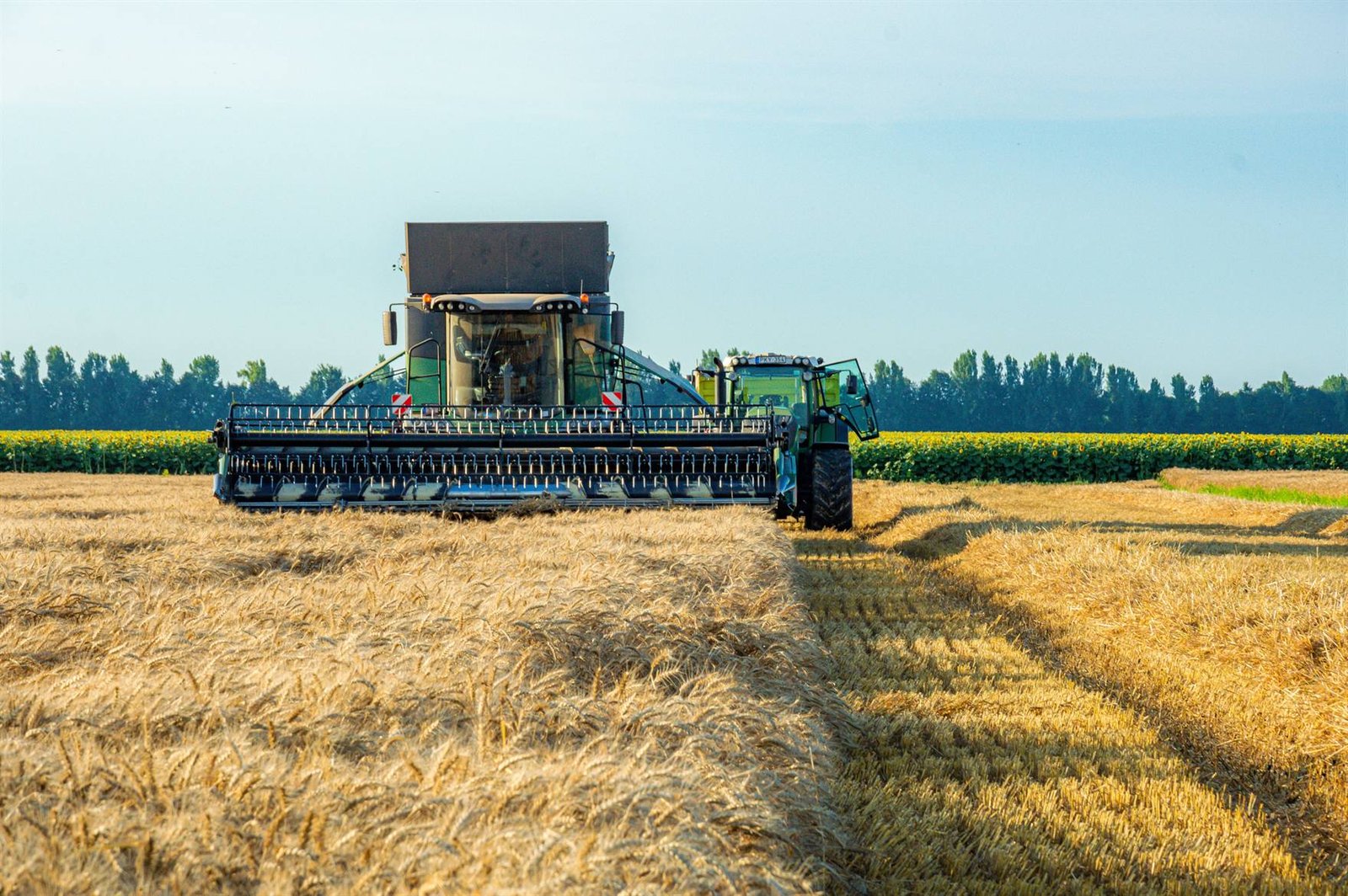
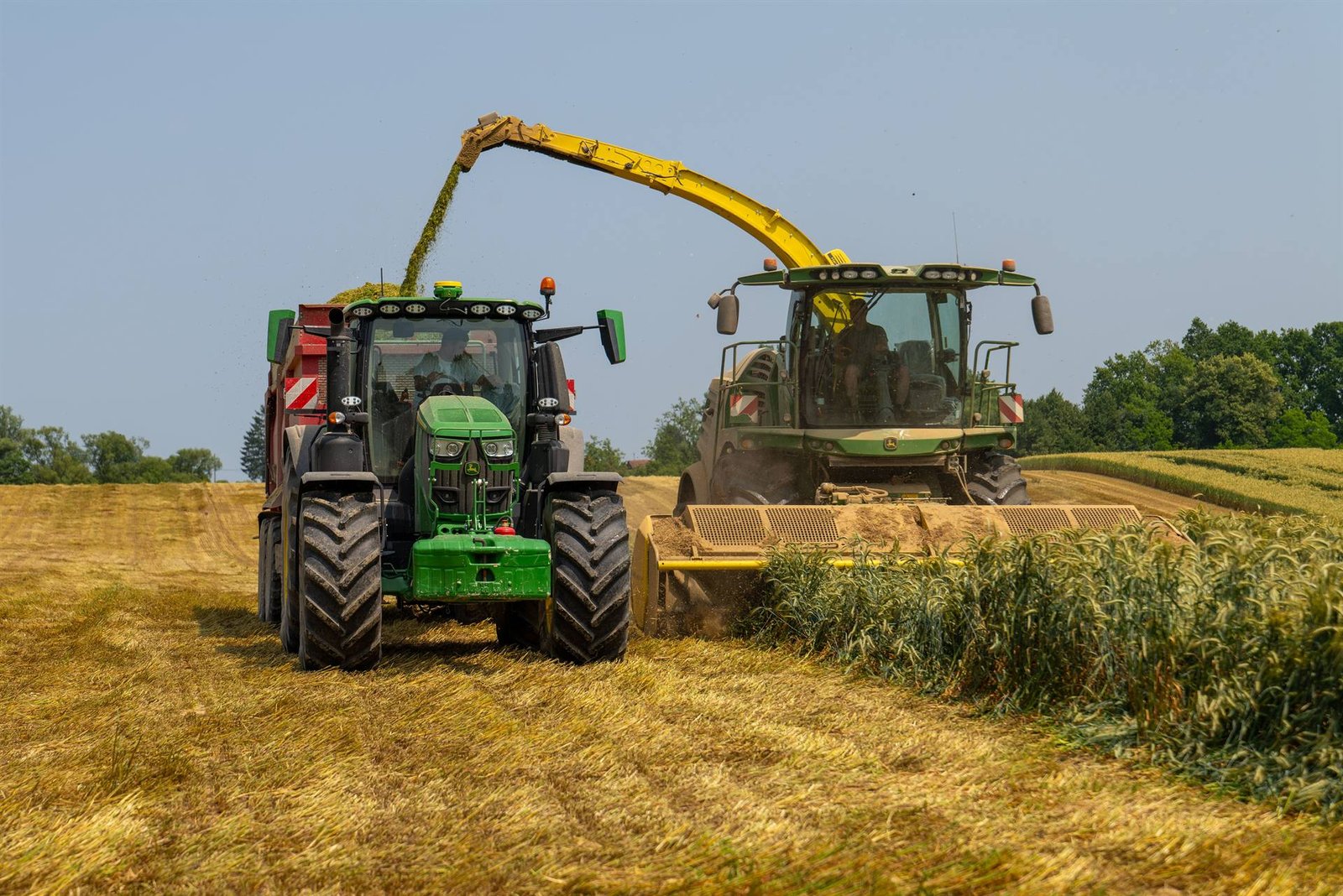
Ready when the weather is
A machine that will not start on the one dry morning of the week costs far more than the fuel inside it. Fuelnox works on the likeliest reason it will not start: the diesel it has been sitting on.

Harvest runs on a handful of days the weather chooses for you. Fuelnox conditions the diesel in the yard so the machine you need on one of those days is not the one that will not start.
A combine can stand for eleven months of the year, and the yard tank it fills from may hold the same delivery all winter. The machine you need most is usually the one that has sat longest, and it is needed on a day the weather picks, not you.
Fuelnox goes into the bulk tank, the fuel trailer or the machine itself. It keeps the injection system clean, holds stored diesel stable and manages the water that gets in, so a dry window is never spent finding out what happened over the winter.
A machine that will not start on the one dry morning of the week costs far more than the fuel inside it. Fuelnox works on the likeliest reason it will not start: the diesel it has been sitting on.
Instead of letting water sink and sit, Fuelnox holds it in the diesel as microscopic droplets. In the cylinder they flash to steam and burst, breaking the fuel around them into a finer spray that burns more completely. The water goes out with the exhaust.
Detergents clear the deposits that build on injectors and pumps, and added lubricity eases the friction that low-sulphur diesel no longer cushions, so the engine holds its torque through heavy pulling and long days.
One injector service, or one call-out to a machine stuck in a field, costs more than a year of dosing. Fewer blocked filters in season means the sprayer window is not spent on a workshop ramp.
A more complete burn means less smoke from an older tractor and less soot loading on a newer one.
Nothing moves, but the fuel does. Every cold night the tank breathes damp air, and a little more water settles under the diesel. That water is where the sludge and the corrosion begin.
A double dose before the machine goes away is the best habit a farm can adopt. Treat it, run the engine a few minutes so conditioned fuel reaches the injectors, then put it away.
In season, a maintenance dose at each fill keeps injectors clean through the few weeks that decide the year. A generous pour into a jerry can does no harm.
Dose the yard tank as the delivery arrives, so the conditioner mixes through the incoming fuel. Every machine, trailer and can filled from it takes on treated diesel.
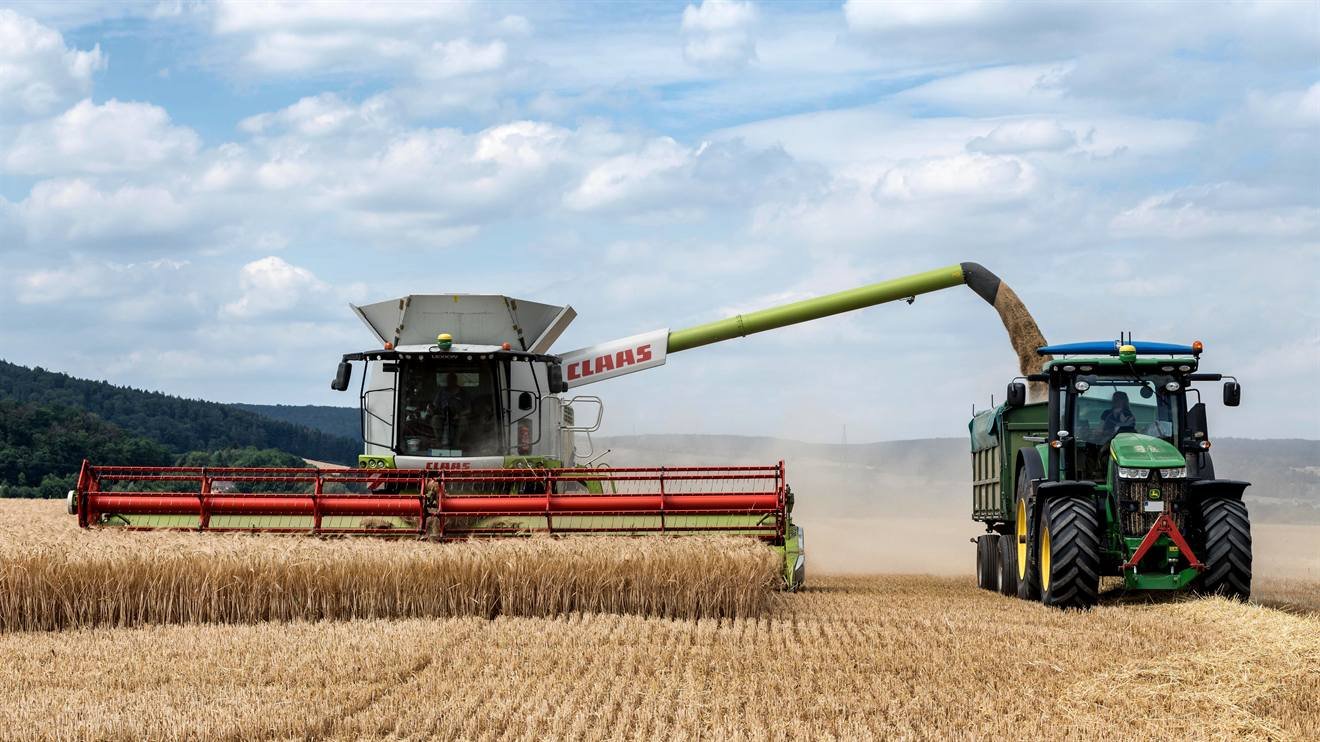
Pack sizes run from a 5 L can for a single machine up to 25 L and 210 L containers for a yard that fuels a fleet, so the same conditioner covers the smallest quad and the biggest bulk tank.
Two doses and you are set: a stronger first treatment, then a light top-up whenever the tank is refilled. Overdosing will not harm the engine.
About 20 ml per 40 litres of fuel. Add Fuelnox first, then refuel so it mixes evenly as the tank fills. Repeat where contamination is heavy.
About 10 ml per 40 litres at each refuel or regular interval. A single 500 ml bottle conditions up to 2,000 litres of fuel.
Results vary with engine, fuel and operating conditions. For petrol, diesel and two-stroke fuel systems. Not for aviation fuels.
Tell us what is in the yard and what it fills from, from one tractor to a fleet and a bulk tank, and we will set the dose and the pack size before the season opens.