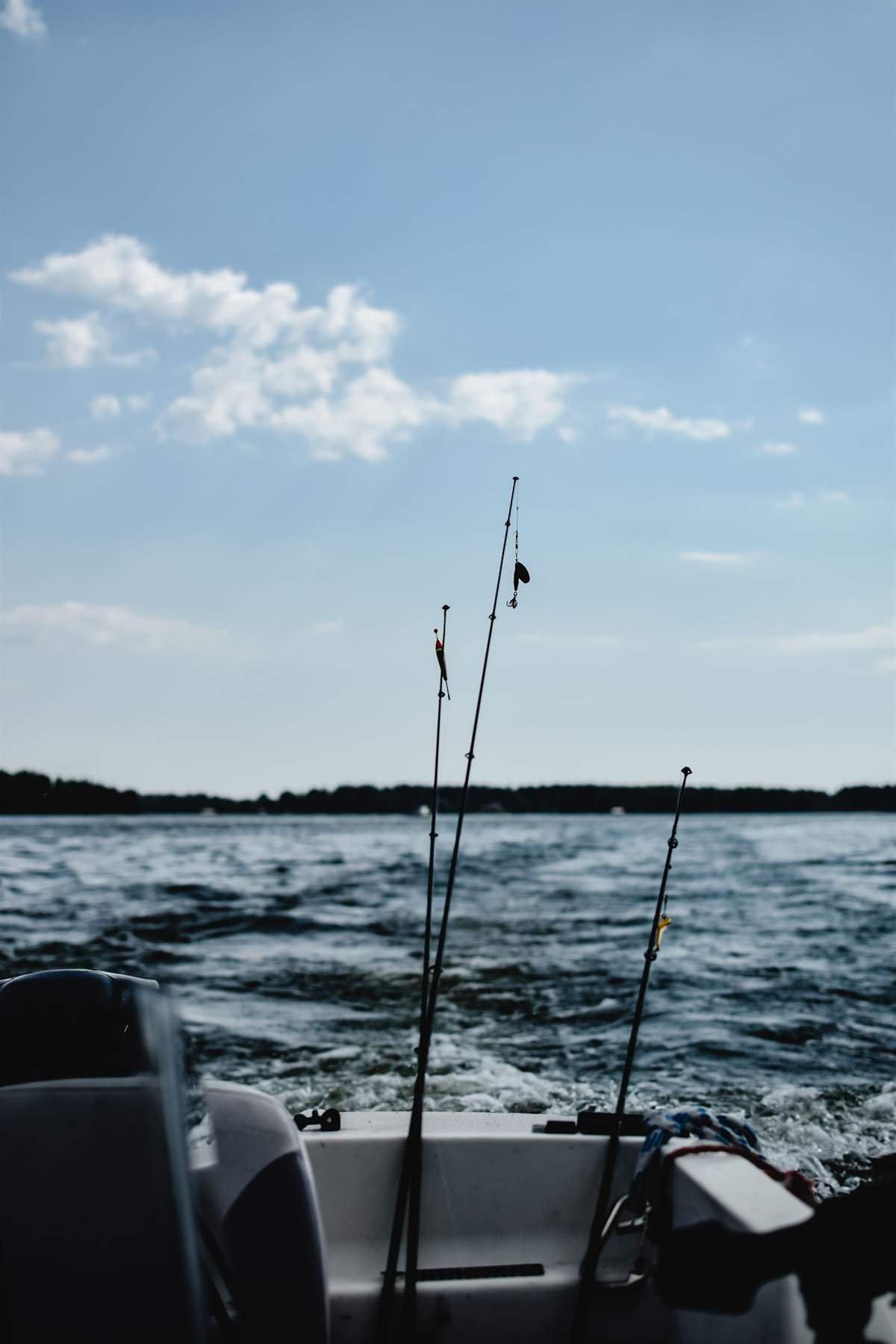
Stored between trips, ready for the next
Diesel does not improve while it waits. Fuelnox holds it stable and stops water dropping out of it, so the fuel you bunkered a month ago is still the fuel you paid for when you next put to sea.

The engine is the one thing on a fishing boat that cannot have an off day. Fuelnox conditions the diesel it runs on, so a bad tank never turns into a lost trip.
A fishing boat lives at two extremes. It runs hard, hot and heavy for days on end, then ties up and leaves the rest of the bunker standing for weeks. Fuel suffers at both ends. Hard running fouls the injection system; standing still lets water gather and the diesel go soft.
Fuelnox goes into the tank as you bunker and covers both. Detergents keep the injectors clean through the hard hours, and whatever fuel is left over stays stable, with the water kept in check, until you slip the lines again.
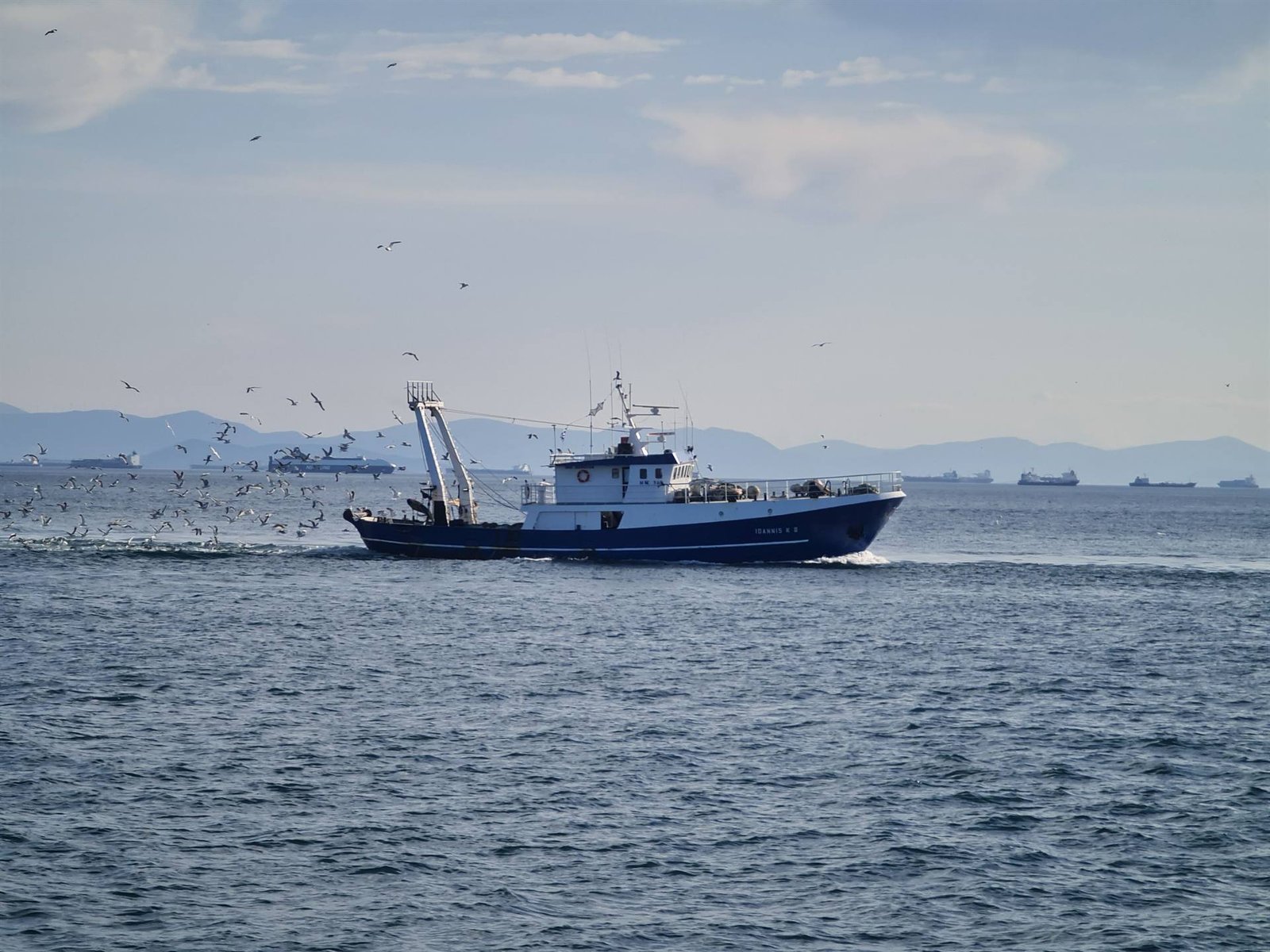
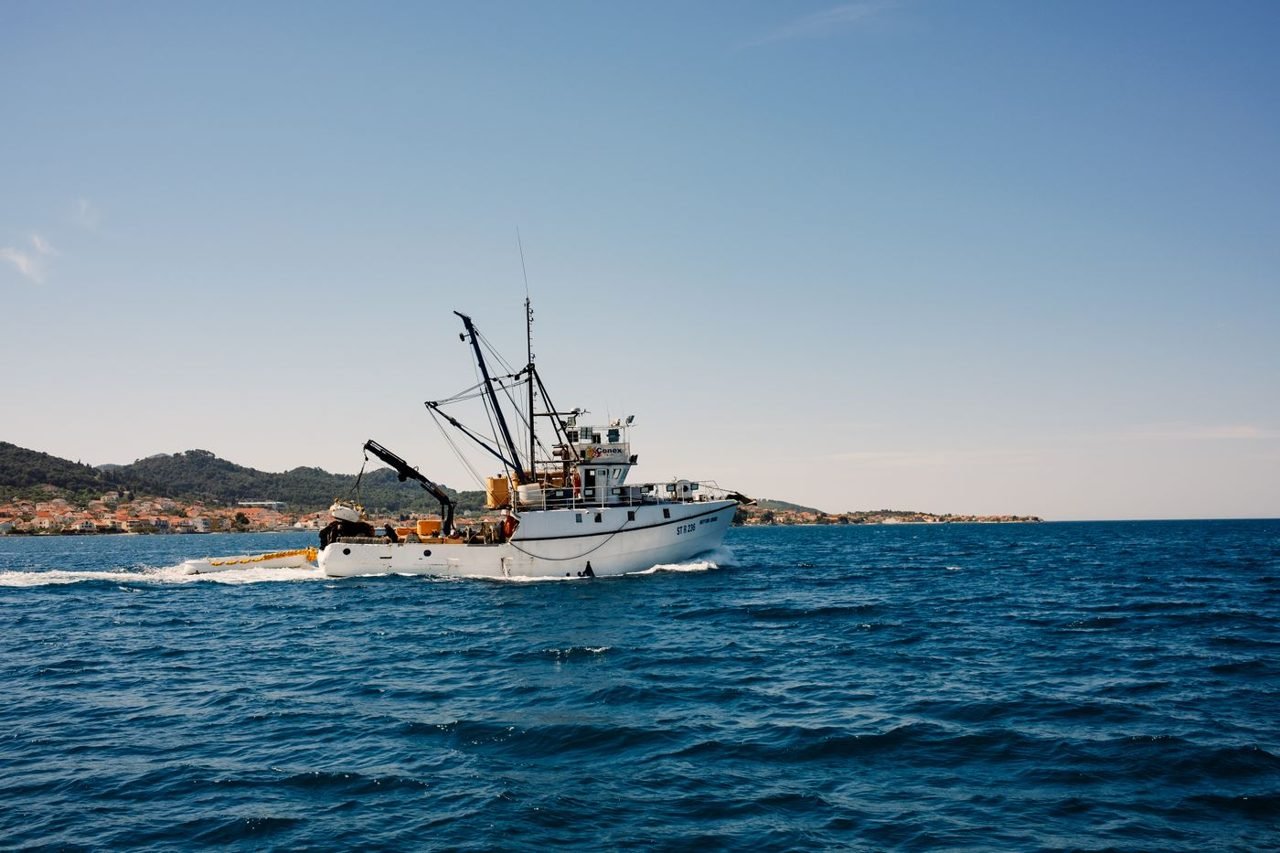
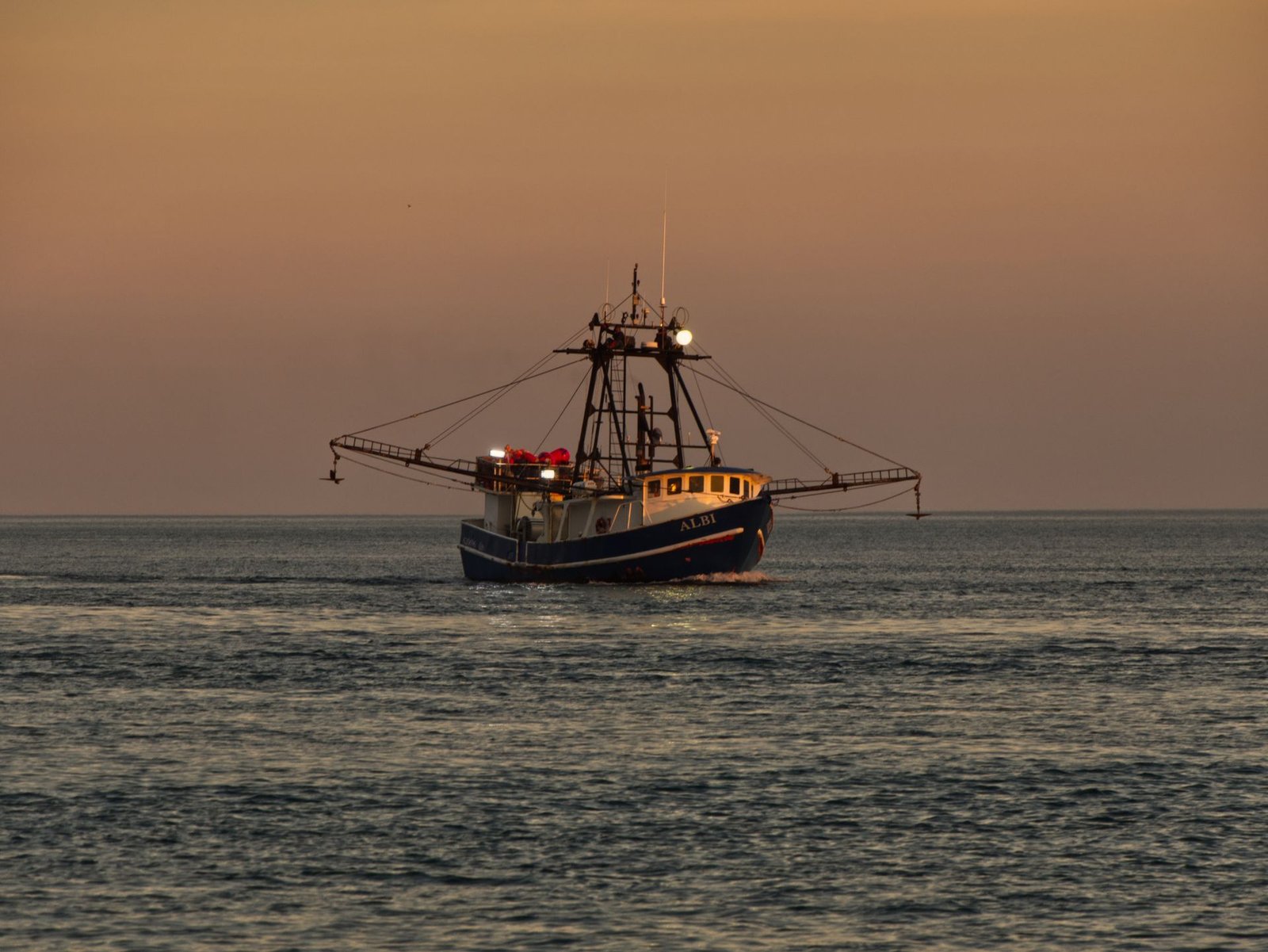
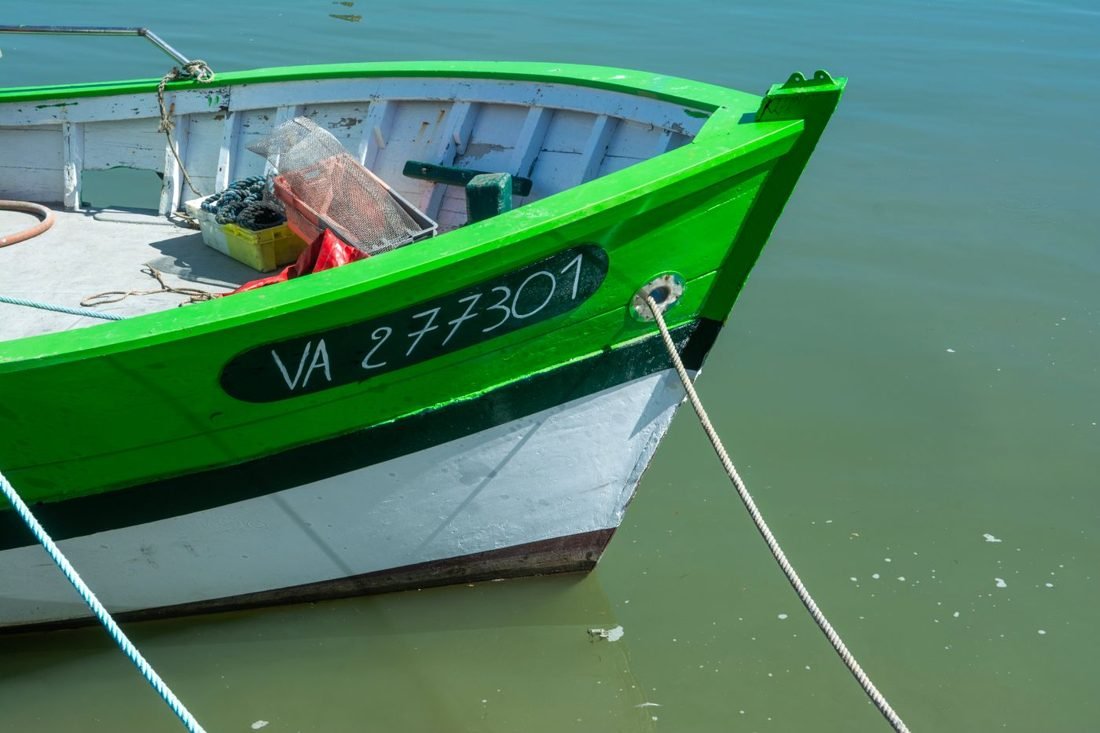
Inshore day boats, potters and netters, offshore trawlers and the tenders that service them. Same diesel, same water, same bottle, whether the tank holds 30 litres or several thousand.
Diesel does not improve while it waits. Fuelnox holds it stable and stops water dropping out of it, so the fuel you bunkered a month ago is still the fuel you paid for when you next put to sea.
Water in a tank neither stays put nor burns. Fuelnox holds it in the fuel as microscopic droplets that flash to steam in the cylinder and burst, breaking the fuel around them into a finer spray. It leaves with the exhaust instead of lying in the bottom of your bunker.
Water and sludge are what block a primary filter. Deal with them in the fuel and changing an element stops being a job you do at three in the morning, in a swell, with the catch waiting.
Deposits build fastest in engines that run hot and hard. Detergents clear them and added lubricity eases friction in pumps and injectors, so the engine holds its power through a long haul.
A more complete burn puts less soot in the wake and less black on the deckhead. Harbour authorities notice, and so does the crew.
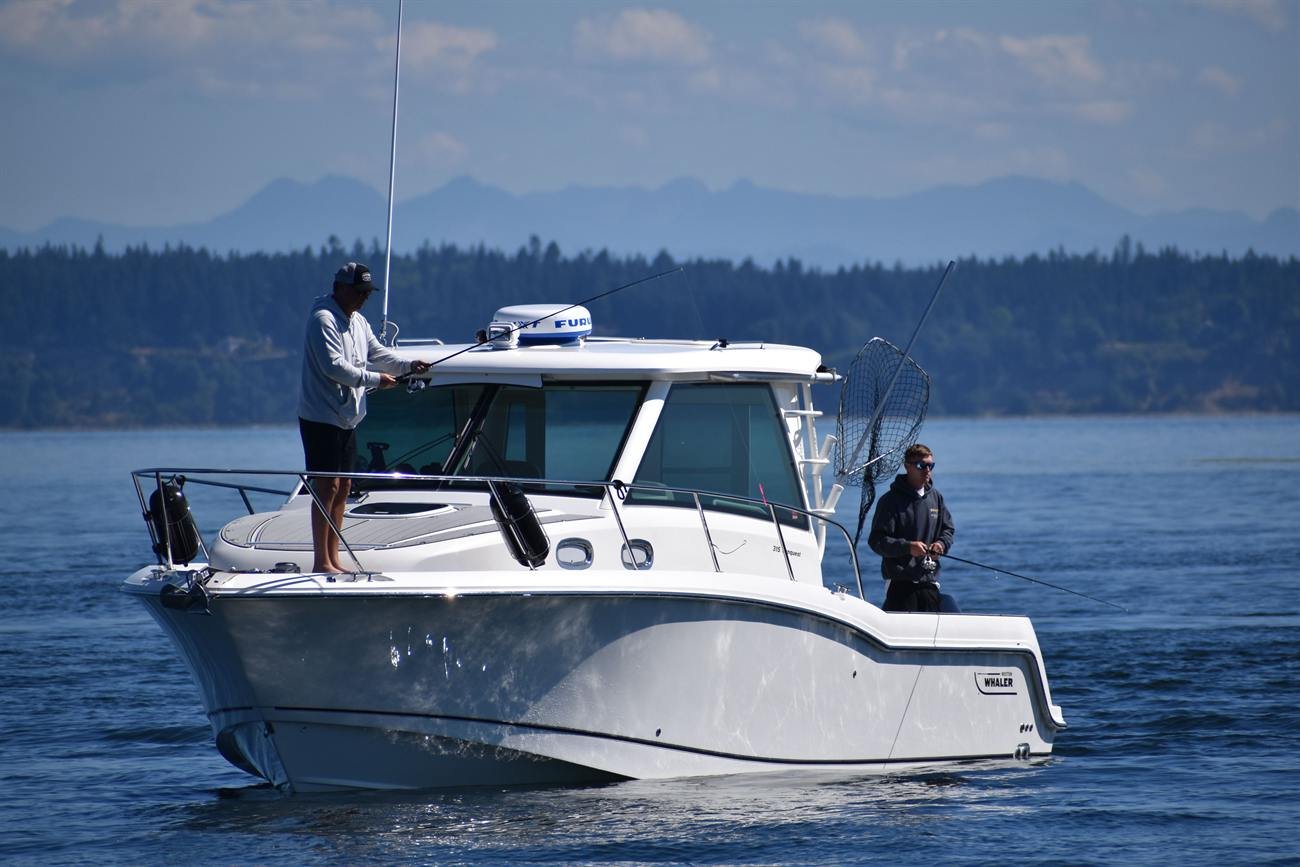
On a charter boat the engine is part of what the guests are paying for. They booked months ago, the weather window is a day wide, and there is no way to refund a season. Treated fuel is the cheapest insurance aboard, at roughly a euro per 40-litre fill.
A cleaner, a stabiliser, a water treatment and a lubricity additive: four bottles, four doses and four things to remember at the quay. Fuelnox is one bottle at about 10 ml per 40 litres, poured in as you bunker.
Fuelnox is not a fuel and it is not a solvent. It is a non-hydrocarbon conditioner that works on the fuel around it.
No sulphur, phosphorus, nitrogen or metallic ingredients.
Not classified as corrosive to metals. It carries EU CLP labelling, so handle as directed and keep out of reach of children.
Kind to seals, hoses, pumps and after-treatment. It cleans the system it passes through without attacking it.
Two doses is the whole routine: a heavier first treatment, then a light top-up every time you take on fuel. Overdosing will not harm the engine.
About 20 ml per 40 litres of fuel. Add Fuelnox first, then refuel so it mixes evenly as the tank fills. Repeat where contamination is heavy.
About 10 ml per 40 litres at each refuel or regular interval. A single 500 ml bottle conditions up to 2,000 litres of fuel.
Results vary with engine, fuel and operating conditions. For petrol, diesel and two-stroke fuel systems. Not for aviation fuels.
One lost trip costs more than years of treatment. Tell us your tanks and your season, from a single inboard to a working fleet, and we will set the dose so fuel is never the reason you turn back.